How To Build a Diverse Collection of Furniture for Every Room and Style
The quest to furnish one’s home is often as daunting as it is exciting. Exploring various furniture styles and functionalities can turn each room into a reflection of personal taste and lifestyle. However, achieving diversity while maintaining a cohesive aesthetic across different rooms can be challenging. In this article, we’ll delve into the principles of creating a diverse yet harmonious furniture ensemble for every space in your home. Keep reading to discover how to strike the perfect balance.
Understanding the Basics of Furniture Diversity for Every Room
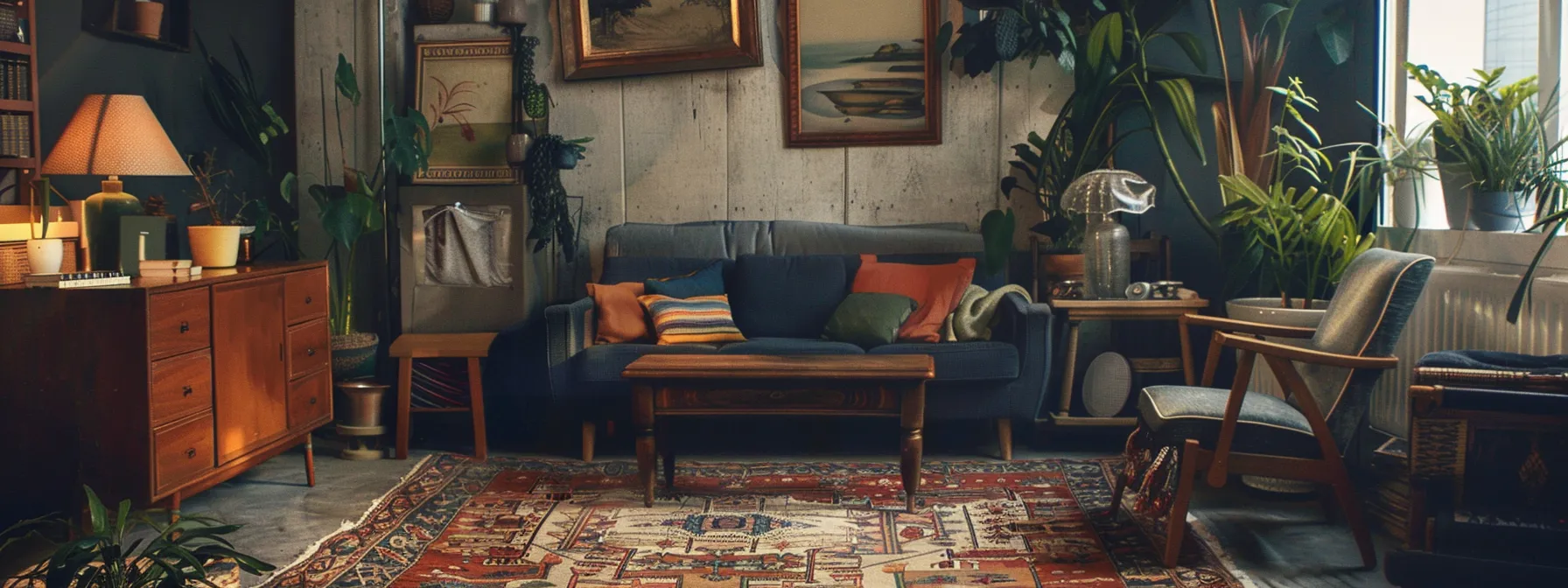
Creating a well-rounded home starts with choosing furniture that meets both functional and aesthetic needs. Living rooms need comfortable seating and surfaces for entertainment, while bedrooms call for pieces that encourage relaxation and organization. Kitchens and dining areas benefit from durable, practical furniture, and versatile, transitional pieces can serve multiple purposes throughout the home.
Thoughtful selection ensures each item fits the space in scale and function, avoiding overcrowding or imbalance. A diverse collection of furniture for every room and style can also enhance the overall look of a home. Mixing textures, colors, and designs adds visual interest, while repeating elements like materials or color schemes provide cohesion. Balancing light and heavy pieces prevents monotony, and gradually curating furniture over time allows a home to feel both unique and harmonious.
Blending Styles for a Cohesive Look Throughout Your Home
Successfully mixing furniture styles creates a dynamic, personalized space when done with intention. A dominant style can serve as the anchor, while select pieces from other styles provide contrast and depth, such as pairing a modern sofa with a vintage coffee table. Consistent color palettes across rooms help connect different styles, using complementary hues and accents rather than identical shades.
Thoughtful furniture placement encourages cohesion, aligning pieces in a way that feels intentional rather than random. Texture also enhances harmony, blending smooth, rough, plush, or metallic surfaces to soften transitions between styles. Varied textures add richness and make spaces feel layered and inviting, supporting a balanced, visually engaging design.
Maximizing Functionality with Multi-Purpose Furniture Pieces
Modern homes increasingly prioritize functionality alongside aesthetics, making multi-purpose furniture essential. Pieces like sofa beds provide seating by day and sleeping space by night, while storage ottomans combine comfort with hidden storage. Extendable and adaptable items, such as dining tables and nesting tables, offer flexibility for both everyday use and larger gatherings, which is especially useful in smaller spaces.
Considering the room’s flow is crucial; mobile furniture like rolling kitchen islands or bar carts allows easy rearrangement and multiple uses. Built-in solutions, including custom shelving and bench seating with storage, optimize floor space while providing tailored functionality, maximizing every inch of a room to suit lifestyle needs.
Incorporating Accent Pieces for a Personal Touch

Accent pieces are small, often colorful or uniquely designed items, such as lamps, throw pillows, or artwork, that inject personality and character into a space. They allow you to express your interests or artistic preferences while punctuating a room with flair. To maintain harmony, accent pieces should complement the main furniture, echoing colors, finishes, or themes rather than clashing with them.
Scale and placement are important, as disproportionate items can disrupt visual balance, so aim for pieces that harmonize with surrounding furniture. Plants serve as living accents, adding color, texture, and a sense of tranquility, while enhancing indoor air quality and contributing to a healthier, more inviting environment.
Navigating Budget and Quality for Long-Lasting Furniture Selections
Striking a balance between cost and quality is essential for long-term satisfaction when furnishing a home. Investing in durable and comfortable key pieces, such as sofas or beds, ensures lasting value, while decorative or infrequently used items can be purchased more economically.
Understanding materials and construction is important, as solid wood and timeless designs often outlast trends and cheaper alternatives. Shoppers can combine retail, second-hand, and artisan sources to find unique, high-quality furniture at lower prices, adding character to their spaces. Considering resale value helps maintain financial flexibility, as well-made pieces can be sold or traded in the future, supporting both smart spending and sustainable furnishing practices.
Overall, building a diverse collection of furniture is an art form that balances aesthetics with functionality. By thoughtfully selecting pieces that suit your home’s layout and reflect your personal style, you can create living spaces that are both unique and harmonious. The journey to curate the perfect ensemble for each room can enhance your home’s comfort and ethos, presenting an inviting atmosphere to all who enter.